
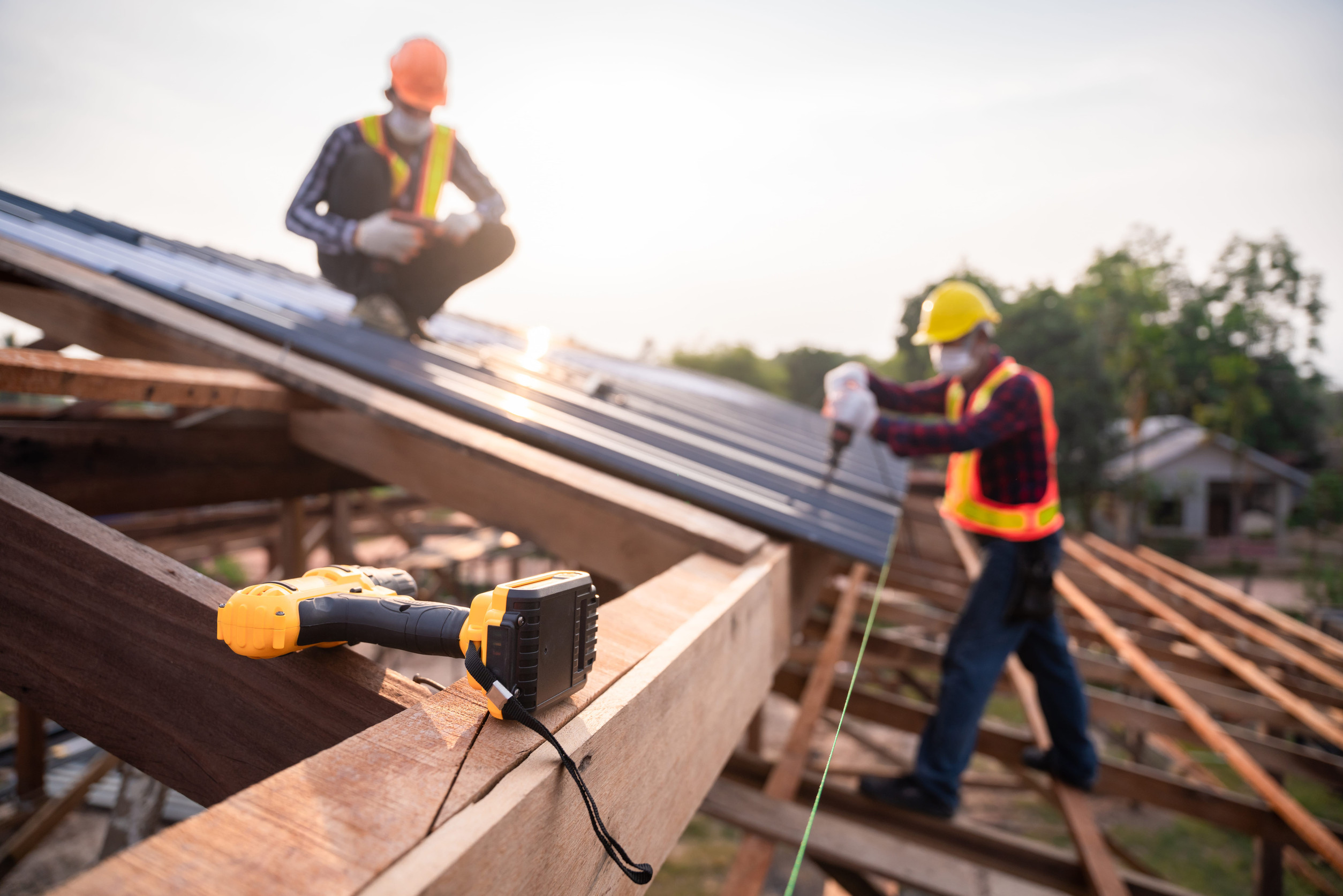
Proven Guide to Replacing Your Roof Before Winter
Minnesota homeowners know winter has a way of exposing weaknesses around the house.
Moreover, a small draft becomes more noticeable at zero degrees.
Additionally, a roof problem that seemed manageable in October can worsen under snow, making replacing your roof before winter essential.
If your roof is aging, leaking, or missing shingles, you may wonder about replacement.
You might ask whether to replace it before winter or endure another season.
The answer depends on the condition of the roof.
Not every aging roof needs to be replaced immediately. Some problems can be repaired, while others are warning signs that postponing replacement could leave your home vulnerable during one of the toughest seasons for Minnesota roofing.
Here’s how to decide whether a fall roof replacement in Minnesota makes sense for your home.
Why Roof Condition Matters So Much Before a Minnesota Winter
A roof already has an important job during spring and summer, but winter adds several additional challenges.
Over the course of a Minnesota winter, your roofing system may encounter:
- Heavy snow accumulation
- Strong winds
- Freezing temperatures
- Ice
- Repeated freeze-thaw cycles
- Melting snow
- Wind-driven snow
- Ice dams and backed-up water
A roof in good condition is designed to manage demanding weather. A roof with existing damage may have a much harder time.
Missing shingles, deteriorated flashing, exposed underlayment, active leaks, or widespread aging do not improve once temperatures fall.
That’s why fall is a useful time to evaluate the roof and determine whether repairs are sufficient or whether a Minnesota roof replacement should happen before winter.
When to Replace a Roof Before Winter
There isn’t a single rule based on age alone. Two roofs installed in the same year can be in very different condition depending on materials, installation quality, maintenance, storms, ventilation, and sun exposure.
Instead, look at the overall condition of the roofing system.
1. Your Roof Has Widespread Shingle Damage
One or two damaged shingles may be repairable.
Widespread deterioration is different.
Signs to watch for include:
- Numerous missing shingles
- Cracked or broken shingles across several roof sections
- Curling or lifted edges
- Bald areas where granules have worn away
- Significant granule accumulation in gutters
- Shingles that appear brittle or heavily weathered
- Multiple areas that have already required repair
When problems are spread throughout the roof rather than isolated to one location, continued spot repairs may provide diminishing returns.
A professional inspection can help determine whether repairs still make practical sense or whether replacement would provide a more reliable long-term solution.
2. Your Roof Is Already Leaking
An active leak deserves attention regardless of the season.
Watch for signs such as:
- Brown or yellow ceiling stains
- Damp attic insulation
- Water staining on rafters or roof decking
- Bubbling or peeling paint
- Moisture around chimneys or skylights
- Musty odors in the attic
- Dripping water during rain
A leaking roof does not automatically require complete replacement. Flashing, vents, or isolated damaged areas can sometimes be repaired.
However, multiple leaks or moisture problems associated with widespread roof deterioration may indicate that the overall roofing system has reached the point where replacement deserves consideration.
Waiting until snow covers the roof can make finding and addressing leaks much more difficult.
3. The Roof Is Near the End of Its Useful Life
Homeowners often ask when to replace a roof based solely on age.
Age matters, but it should be considered along with condition.
If your roof is older and beginning to show multiple signs of deterioration, replacing it before winter may make more sense than investing repeatedly in repairs.
Consider factors such as:
- The roofing material
- Installation quality
- Previous storm damage
- Maintenance history
- Ventilation conditions
- Number and frequency of repairs
- Visible shingle deterioration
- Whether leaks have begun developing
If you recently purchased the home and don’t know the roof’s history, a fall inspection can help establish its current condition.
4. You’ve Had Significant Storm Damage
Minnesota storms can take a toll on roofing systems.
Hail, high winds, and falling branches can damage shingles, flashing, gutters, vents, and other roof components.
Sometimes the damage is obvious. Other times it may be difficult to identify from the ground.
If your property experienced a severe storm and the roof has not been evaluated, having it inspected before winter can help uncover issues that might otherwise remain hidden beneath snow.
Depending on the extent of the damage, the appropriate solution could range from a small repair to a complete replacement.
5. You Keep Repairing the Same Roof
Repairs are valuable when they solve isolated roofing problems.
But there comes a point when repeatedly repairing an aging roof may no longer be the most practical approach.
Think about the past few years.
Have you repeatedly dealt with:
- Missing shingles?
- Small leaks?
- Flashing repairs?
- Wind damage?
- Water stains?
- Different roof sections failing at different times?
If roofing problems have become routine rather than occasional, it may be time to look at the bigger picture.
A roofing contractor in Minnesota can evaluate whether another repair is reasonable or whether replacement would address the underlying condition more effectively.
Is Fall a Good Time for Minnesota Roof Replacement?
For many homeowners, yes.
Fall can offer favorable conditions for roof work because the extreme summer heat has passed while winter’s snow and persistent ice have not yet arrived.
There is also a practical advantage: replacing a compromised roof in fall means the new roofing system is already in place when winter weather begins.
However, timing matters.
As temperatures become colder, asphalt shingles become less flexible and require additional care during installation. Many asphalt shingles also rely on thermally activated sealant strips that bond after installation.
Professional contractors should follow the roofing manufacturer’s requirements regarding temperature, material storage, handling, fastening, and sealing.
So while a new roof before winter is absolutely possible, homeowners should not assume that roofing installation is identical in every temperature.
Can a Roof Be Replaced in Cold Weather?
Yes, roofing work can be performed in colder conditions, but cold-weather installation requires proper procedures.
Asphalt shingles become stiffer as temperatures fall, which means they need to be handled carefully to avoid cracking or damage. Sealing may also take longer when there is less heat and sunlight.
Roof surfaces must also be safe to work on. Frost, snow, and ice create obvious hazards for roofing crews.
That’s another reason not to postpone a known roofing problem unnecessarily.
Scheduling replacement during favorable fall conditions may provide greater flexibility than waiting until a damaged roof becomes an emergency in January.
When Is a Repair Enough?
A roof replacement before winter is not always necessary.
If the roof is generally in good condition, targeted repairs may be entirely appropriate.
Examples might include:
- Replacing a few missing shingles
- Repairing localized flashing
- Correcting a small isolated leak
- Repairing minor storm damage
- Addressing an isolated roof penetration
The key word is isolated.
If the rest of the roofing system remains sound, replacing the entire roof may not be justified.
The goal of an inspection should be to determine the extent of the problem rather than automatically assuming replacement.
Don’t Confuse Ice Dams With a Failed Roof
Minnesota homeowners should also understand an important winter roofing distinction.
Ice dams do not necessarily mean your roof needs replacement.
Ice dams form when heat escaping from the home creates uneven roof temperatures. Snow melts on warmer portions of the roof, flows toward colder areas near the eaves, and refreezes.
Water can then back up behind that ice and potentially enter the home.
Replacing shingles alone does not correct the heat loss that causes ice dams.
Homes with recurring ice-dam problems may need attention to:
- Attic air sealing
- Insulation
- Heat loss
- Certain ventilation conditions
- Roof penetrations and bypasses
Roofing materials and appropriate ice-and-water protection still matter, but identifying the underlying cause is essential.
What Happens If You Wait Until Spring?
Sometimes waiting is reasonable.
If an inspection shows that the roof is structurally sound, free of active leaks, and only showing minor age-related wear, replacement may not be urgent.
However, postponing becomes riskier when significant problems already exist.
Winter can make roofing issues more difficult because:
- Snow may conceal damaged areas.
- Ice can complicate drainage.
- Access becomes more difficult.
- Cold shingles may be more vulnerable to damage during repairs.
- Active leaks can be difficult to trace beneath snow.
- Emergency repairs offer less scheduling flexibility.
The question isn’t simply, “Can this roof last until spring?”
A better question is, “What condition is the roof in right now, and what is the risk of waiting?”
How to Decide Whether You Need a New Roof Before Winter
If you’re unsure, start with the condition rather than the calendar.
Consider scheduling a professional evaluation if:
- Your roof has active leaks.
- Numerous shingles are damaged or missing.
- The roof recently experienced severe weather.
- You’ve made repeated repairs.
- You don’t know the age or history of the roof.
- Shingles show widespread deterioration.
- You have visible damage around flashing or roof penetrations.
- Interior water stains have appeared.
- You are concerned the roof may not handle another winter.
A thorough inspection should help distinguish between routine maintenance, repairable damage, and conditions that may justify replacement.
Choosing the Right Roofing Materials for Minnesota
If replacement is appropriate, homeowners also need to consider the type of roof they want.
Koska Construction installs architectural asphalt shingles as well as metal and steel roofing systems.
Each option has its advantages.
Architectural asphalt shingles remain popular because of their combination of affordability, appearance, performance, and broad style selection.
Metal and steel systems can offer exceptional longevity and durability, making them attractive for homeowners taking a longer-term approach to their property.
The best choice depends on your:
- Budget
- Home design
- Roof pitch
- Long-term ownership plans
- Appearance preferences
- Maintenance expectations
A quality Minnesota roof replacement should consider the complete roofing system rather than simply the material visible from the street.
Should You Replace Your Roof Before Winter?
If your roof is in good condition, probably not.
If it has a small repairable problem, replacement may not be necessary either.
But if your roof has widespread deterioration, repeated leaks, significant storm damage, or multiple areas that continue to fail, waiting through another Minnesota winter may add unnecessary risk.
The best way to approach roof replacement before winter is not with fear of the first snowfall, but with good information.
Know your roof’s condition. Understand the extent of any damage. Compare repair and replacement options. Then make the decision that fits the home rather than simply reacting to the season.
A sound roof is meant to protect your home year-round, and fall gives Minnesota homeowners an opportunity to identify concerns before snow and ice make those concerns more difficult to address.
Contact Us
If you have questions about the condition of your roof or whether repair or replacement makes sense, Koska Construction provides roofing inspections, repairs, complete replacements, architectural shingles, and metal and steel roofing systems throughout the Twin Cities, Brainerd Lakes region, and surrounding central Minnesota communities.
An inspection can provide useful information about the current condition of the roof and help determine whether maintenance, repair, or replacement is appropriate.
Koska Construction
3321 Saint Francis BLVD
Anoka, MN 55303
Phone: (218) 839-5737
Email: KoskaConstructionLLC@gmail.com