
How to Prevent Ice Dams: Essential Tips for Your Home
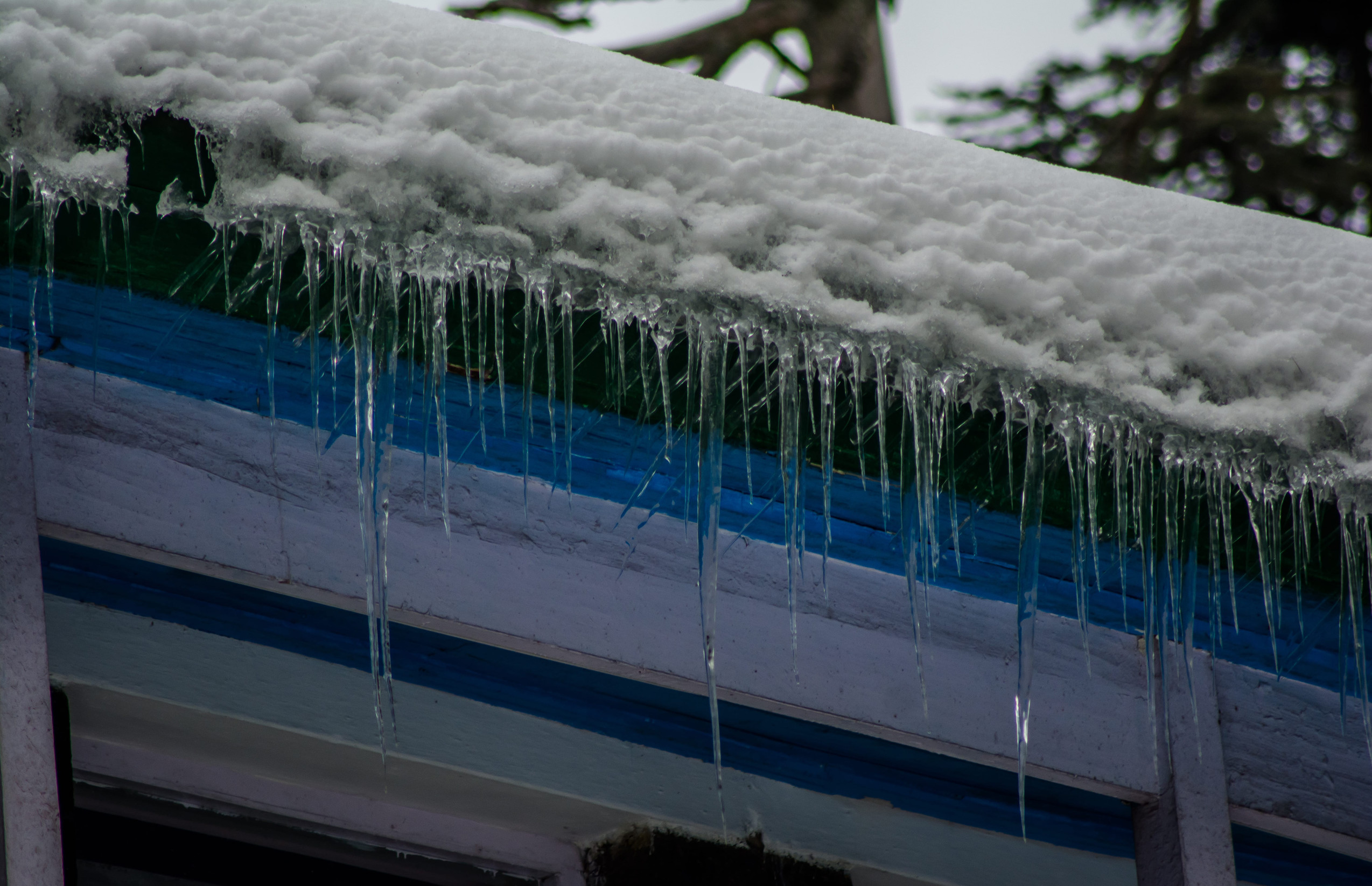
Few winter sights are more familiar to Minnesota homeowners than icicles hanging from a roof edge. This natural feature helps with preventing ice dams. They may look picturesque, but heavy ice buildup along the eaves can signal a bigger problem. This is related to preventing ice dams. Minnesota ice dams can contribute to preventing ice dams by altering drainage. This water may collect behind the ice and reach the attic, ceilings, walls, or insulation.
The frustrating part is that many homeowners assume the roof itself—or clogged gutters—is automatically to blame. In reality, ice dams often begin with heat escaping from the home and warming portions of the roof unevenly.
Understanding why ice dams form is the first step toward preventing them.
If you’re wondering how to prevent ice dams in Minnesota, this guide explains what causes them, what kind of damage they can create, and which winter roofing strategies actually address the underlying problem.
What Is an Ice Dam?
An ice dam is a ridge of ice that develops near the lower edge of a roof and prevents melting snow from draining normally.
The process typically starts when snow covers the roof.
Heat from inside the house escapes into the attic and warms portions of the roof deck. Snow sitting above those warmer areas begins to melt even though outdoor temperatures remain below freezing.
The resulting water flows down the roof toward the eaves.
Because the roof edge extends beyond the heated portion of the home, that section is typically colder. When the meltwater reaches it, the water freezes.
More snow melts.
More water flows downward.
More ice forms.
Eventually, a ridge of ice develops along the roof edge. Meltwater then begins collecting behind it.
That’s the “dam.”
Why Minnesota Ice Dams Are So Common
Minnesota provides almost perfect conditions for ice-dam formation.
We regularly experience:
- Long periods of snow cover
- Extended below-freezing temperatures
- Significant indoor-to-outdoor temperature differences
- Heavy snowfall
- Frequent winter freeze-thaw cycles
The combination of snow, cold outdoor temperatures, and heat loss through the upper portion of a home can create uneven roof temperatures.
Homes with complicated rooflines, recessed lighting, attic ductwork, chimneys, skylights, poorly sealed attic penetrations, or insufficient insulation may have additional areas where heat enters the attic.
That doesn’t mean every snowy roof will develop an ice dam.
The key issue is uneven roof temperature.
Ideally, the roof surface should remain cold enough that snow doesn’t continually melt from heat coming through the house.
What Causes Ice Dams?
Many homeowners assume that ice dams happen because gutters are clogged or a roof doesn’t have enough ventilation.
Those issues can affect winter roof conditions, but they are generally not the primary cause.
Air Leakage Into the Attic
One of the biggest contributors is warm indoor air leaking into the attic.
Air can escape through openings around:
- Recessed lights
- Plumbing penetrations
- Electrical wiring
- Attic access hatches
- Chimneys
- Exhaust ducts
- Framing gaps
- Ceiling penetrations
That warm air heats the attic and roof deck above.
This is why effective roof ice dam prevention often starts inside the house rather than on top of the roof.
Insufficient Insulation
Insulation helps slow heat transfer from the living space into the attic.
When attic insulation is insufficient, poorly installed, compressed, or missing in certain areas, heat can reach the roof deck more easily.
Air sealing and insulation work together. Adding insulation without correcting significant air leaks may not fully solve the problem.
Heat-Producing Components
Other sources can also warm the roof.
These may include:
- Chimneys
- Heating ducts in attic spaces
- Bathroom exhaust ducts
- Kitchen exhaust systems
- Mechanical equipment
- Certain complex ceiling designs
Finding these heat sources can be an important part of solving recurring ice-dam problems.
How Ice Dams Can Damage a Roof
The visible ice isn’t always the biggest concern.
The real problem is the liquid water trapped behind it.
Roofing systems are designed primarily to shed water downward. When water is forced to sit or move upward beneath roofing materials, it may find openings that ordinary rainfall would never reach.
Potential ice dam roof damage can include:
- Moisture beneath shingles
- Damaged roof decking
- Deteriorated underlayment
- Wet attic insulation
- Ceiling stains
- Damaged drywall
- Peeling paint
- Moisture inside walls
- Mold or mildew growth
Water may also travel before becoming visible inside the house, which means the ceiling stain you see may not be directly below the location where water entered.
Repeated ice dams can expose the same portions of the roof to moisture winter after winter.
Can Ice Dams Damage Gutters?
They can.
Large amounts of ice add substantial weight along the roof edge.
That weight may put stress on:
- Gutters
- Gutter fasteners
- Fascia boards
- Downspouts
Ice buildup may contribute to gutters sagging or pulling away from the home.
However, it’s important not to reverse the cause-and-effect relationship.
Cleaning gutters is still valuable winter maintenance, but clean gutters alone do not prevent ice dams.
The underlying heat-loss issue must also be addressed.
How to Help Prevent Ice Dams in Minnesota
Successful prevention usually involves keeping the roof temperature as consistent as possible.
Here are the most important areas to consider.
1. Air Seal the Attic
Air sealing is one of the most important long-term steps homeowners can take.
Warm air naturally rises. Any openings between the living space and attic can allow heated indoor air to move upward.
Common leakage points include:
- Attic access doors
- Recessed fixtures
- Plumbing stacks
- Wiring penetrations
- Chimney chases
- Partition-wall openings
- Duct penetrations
Sealing these pathways helps keep warm indoor air out of the attic.
Because certain areas involve electrical fixtures, chimneys, combustion appliances, or required clearances, appropriate materials and professional guidance may be necessary.
2. Evaluate Attic Insulation
After air leaks are controlled, insulation can help reduce heat transfer through the ceiling.
Uneven insulation can create warm spots on the roof.
Pay particular attention to:
- Eaves
- Exterior wall top plates
- Attic access points
- Areas around penetrations
- Sections where insulation has shifted or settled
An energy assessment may help identify areas of unusual heat loss that aren’t obvious during a visual inspection.
3. Understand the Role of Roof Ventilation in Minnesota
Roof ventilation in Minnesota is important, but it is frequently misunderstood in conversations about ice dams.
Proper attic ventilation helps manage attic moisture and summer heat and can contribute to more uniform roof temperatures.
But ventilation should not be treated as the primary cure for ice dams.
The University of Minnesota Extension notes that natural roof ventilation can help maintain uniform roof temperatures, but reducing heat transfer into the attic is the more important long-term strategy.
Simply installing additional roof vents without addressing air leakage may not solve the problem.
In some situations, powered attic ventilation can even create unwanted pressure or moisture issues.
A complete evaluation should consider air sealing, insulation, and ventilation together.
4. Keep Snow Conditions in Mind
Removing snow from the lower portion of a roof can sometimes provide short-term help because ice dams require snow in order to develop.
A roof rake designed for ground-level use may help remove some accumulated snow near the eaves.
However, roof work in winter carries significant safety risks.
Avoid climbing onto a snow-covered or icy roof.
Homeowners should also be careful not to damage shingles while removing snow.
Snow removal is best viewed as a temporary risk-reduction measure—not a substitute for correcting the underlying heat-loss problem.
5. Inspect the Roof Before Winter
A sound roofing system provides an important second line of defense if water does collect near the eaves.
Before winter, homeowners should look for signs such as:
- Missing shingles
- Cracked or damaged shingles
- Loose flashing
- Previous leak areas
- Deteriorated roof penetrations
- Damaged gutters
- Existing water stains
A professional roof inspection can help identify vulnerable areas before snow hides the roof for several months.
Koska Construction provides roof inspections, targeted repairs, storm-damage services, and complete roof replacements for homes throughout the Twin Cities and Brainerd Lakes regions.
6. Use Proper Ice-and-Water Protection During Roof Replacement
When replacing a roof, proper underlayment and ice-and-water protection are especially important in a cold climate.
These materials provide an additional waterproof barrier beneath the visible roofing surface in vulnerable areas.
Ice-and-water protection does not stop ice dams from forming.
Instead, it can help reduce the risk of water entering the structure if water backs up beneath the shingles.
That distinction is important.
Good roofing protects against the consequences of ice dams, while controlling attic heat loss addresses their root cause.
What Should You Do If You Already Have an Ice Dam?
If an ice dam has already formed, avoid aggressive DIY removal methods.
Do not hack at the ice with:
- Axes
- Hammers
- Chisels
- Picks
- Shovels with sharp edges
These tools can damage shingles, gutters, flashing, and other roofing components.
Chemical deicers and direct heat can also damage roofing materials or create other problems.
If an ice dam is actively causing water to enter the house, professional removal may be the safest approach.
Inside the home, address visible water promptly.
Wet insulation, drywall, ceilings, or other materials should be dried to reduce the potential for additional moisture damage.
Winter Roofing Tips: Watch for Warning Signs
Ice dams often provide visible clues before homeowners notice interior water.
During winter, watch for:
- Thick ridges of ice along the eaves
- Large icicles forming repeatedly in the same areas
- Water stains near exterior walls
- Damp attic insulation
- Moisture around window or door headers
- Peeling paint
- Stains that appear after periods of snowmelt
- Ice collecting behind gutters
One icicle does not necessarily mean your home has a serious ice-dam problem.
Recurring or extensive ice formation, however, deserves attention.
Is an Ice Dam a Sign You Need a New Roof?
Not necessarily.
A relatively new roof can experience ice dams if significant heat escapes into the attic.
Likewise, replacing roofing materials without correcting air leakage may allow the same problem to return.
However, repeated water intrusion can eventually damage roofing components.
A roof inspection may be appropriate if you’ve experienced:
- Repeated ice dams
- Interior leaks
- Damaged shingles
- Water beneath roofing materials
- Deteriorated decking
- Previous emergency ice removal
The goal is to separate the cause of the ice dam from any damage it may have created.
Both may need attention, but they are not necessarily the same problem.
Prevent Winter Roof Damage by Looking at the Whole System
Ice dams are a good reminder that a home’s roof doesn’t work in isolation.
The roof, attic, insulation, air barrier, ventilation system, gutters, and drainage all interact.
That is why the most effective approach to prevent ice dams in Minnesota usually involves looking at the entire system.
Instead of assuming the problem can be solved with one product or one repair, consider:
- Where heat is escaping
- Whether attic insulation is adequate
- Whether the ceiling plane is properly air sealed
- Whether ventilation is functioning as intended
- Whether roofing materials are in good condition
- Whether previous ice dams have caused damage
Taking this whole-home approach helps address the conditions that create ice dams rather than simply treating the visible ice.
A Little Winter Preparation Can Make a Big Difference
Ice dams are common in Minnesota, but homeowners don’t have to accept them as an unavoidable part of winter.
The key is understanding why they form.
Heat escaping into the attic warms the roof. Snow melts. Water moves toward colder eaves and freezes. Over time, ice builds up and traps additional meltwater behind it.
The best long-term roof ice dam prevention focuses on reducing that unwanted heat transfer through proper air sealing and insulation while maintaining an appropriately designed roofing and attic system.
Roof maintenance still matters too.
A roof in good condition—with sound shingles, flashing, underlayment, and proper installation—is better prepared to protect the home if winter moisture reaches vulnerable areas.
Understanding your home’s specific conditions is the best place to begin.
Contact Us
If you have questions about winter roof damage, recurring ice dams, roof leaks, or the general condition of your roofing system, Koska Construction serves homeowners throughout the Twin Cities, Brainerd Lakes region, and surrounding central Minnesota communities.
Koska Construction provides roof inspections, repairs, complete replacements, architectural shingles, metal and steel roofing, seamless gutters, siding, windows and doors, and storm-damage restoration.
Koska Construction
3321 Saint Francis BLVD
Anoka, MN 55303
Phone: (218) 839-5737
Email: KoskaConstructionLLC@gmail.com