
Effortlessly Prevent Leaf Damage to Roofs and Gutters
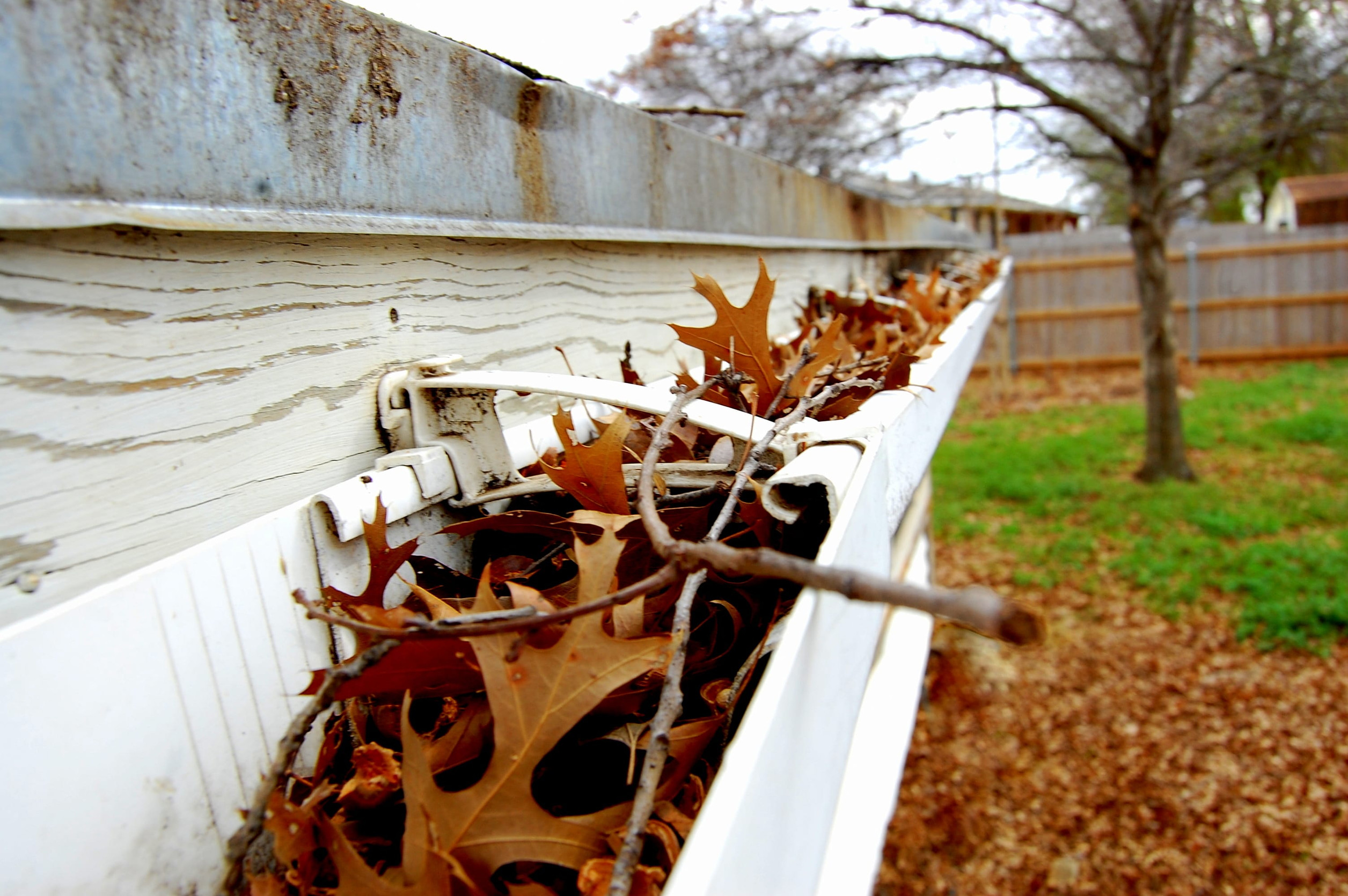
Minnesota’s fall colors are beautiful. However, this shows how falling leaves can damage your roof and gutters. Not quite as appealing.
A few scattered leaves on a roof usually aren’t cause for alarm. The problem begins when leaves collect in large amounts, become wet, settle into roof valleys, or clog gutters and downspouts.
Those seemingly harmless piles can interfere with the way water moves off your roof. Then Minnesota adds another complication: winter.
Wet debris can freeze. Clogged gutters can stop draining. Snow can cover existing problems for months. By the time spring arrives, a minor fall maintenance issue may have contributed to damage around the roof-line, gutters, fascia, or other areas of the home.
Understanding common leaves on roof problems can help you know what deserves attention before the first lasting snow.
Why Leaves on Roof Problems Matter in Minnesota
Your roofing and gutter systems are designed to move water away from your home.
Rain hits the roof, flows down the roofing surface, enters the gutters, moves through the downspouts, and drains away from the house.
Leaves can interrupt that process at several points.
They may collect:
- Behind chimneys
- Around skylights
- In roof valleys
- Along lower roof sections
- At gutter openings
- Inside gutters
- Around downspout entrances
Minnesota’s freeze-thaw weather makes good drainage especially important. Water that cannot move freely before temperatures drop may freeze in places where you don’t want it.
That is why fall roof maintenance should include more than simply looking for missing shingles. Debris and drainage deserve attention too.
1. Wet Leaves Can Trap Moisture Against Your Roof
Dry leaves are light and often blow away.
Wet leaves behave very differently.
Once rain soaks a layer of leaves, they can flatten against the roof and form a dense mat. If the area receives little sunlight or has limited airflow, that material may remain damp for an extended period.
Roofing systems are designed to shed water rather than hold wet organic material against their surfaces.
Persistent piles of roof debris in Minnesota can also hide the roofing material underneath, making it difficult to see damaged shingles, flashing problems, or other concerns during a visual inspection.
Pay particular attention to areas beneath overhanging trees and portions of the roof where debris repeatedly collects.
2. Roof Valley Debris Can Interrupt Drainage
Roof valleys deserve special attention during fall.
A valley is formed where two roof slopes meet. Because water from both sections of the roof flows toward that area, valleys can carry a significant amount of runoff during rain or melting snow.
Now imagine that pathway packed with wet leaves.
Roof valley debris can slow the movement of water and encourage leaves, twigs, pine needles, and other material to collect in an even larger pile.
Depending on the shape of the roof, some valleys naturally collect more debris than others.
Watch for:
- Leaves accumulating in one particular valley
- Twigs caught beneath piles of leaves
- Water moving unusually slowly during rain
- Debris remaining long after the rest of the roof has cleared
- Visible staining or deterioration around the area
Because valleys are important drainage areas, recurring debris buildup deserves attention as part of regular fall roof maintenance.
3. Falling Leaves Can Quickly Create Clogged Gutters
For many homeowners, this is the most obvious fall problem.
A mature tree can drop an impressive number of leaves in a very short time. Add pine needles, small sticks, seeds, and other organic material, and an open gutter can fill surprisingly quickly.
Clogged gutters in fall prevent rainwater and melting snow from moving through the drainage system normally.
Instead, water may:
- Spill over the front of the gutter
- Flow behind the gutter
- Collect in low spots
- Run down the siding
- Pool near the foundation
- Remain trapped until temperatures fall
Cleaning leaves from the yard while ignoring the gutters only handles part of the fall cleanup.
Your gutters need a clear path too.
4. Wet Leaves Add Weight to the Gutter System
Leaves may not seem heavy when you’re raking them across the yard.
Fill a gutter with wet, compacted leaves, though, and the weight adds up.
Now add standing water.
Then imagine that water freezing.
All of that additional weight can place unnecessary stress on gutters and their attachment points. Over time, you may notice:
- Sagging sections
- Gutters pulling away from fascia
- Loose fasteners
- Changes in gutter pitch
- Leaking joints
- Bent or damaged sections
Once a gutter begins to sag, water may stop flowing toward the downspout efficiently, creating an even larger drainage problem.
Good gutter maintenance in Minnesota involves both removing debris and checking whether the gutter system remains securely attached and properly positioned.
5. Leaves Can Block Downspouts, Too
A clean-looking gutter doesn’t necessarily mean the entire system is clear.
Leaves can become lodged at the opening of a downspout or travel inside it until they become stuck at an elbow.
That type of blockage may be difficult to see from above.
One clue is how the system performs during rain.
If water enters the gutter but little or nothing comes from the bottom of a downspout, there may be an obstruction somewhere inside the system.
A blocked downspout can cause water to back up through the gutter, even when the gutter itself contains relatively little debris.
Before winter, make sure both gutters and downspouts can move water freely.
6. Poor Gutter Drainage Can Affect More Than the Roof
Gutters protect more than your shingles.
Their job is to collect roof runoff and move it away from several parts of your home.
When leaves cause water to overflow, that water may repeatedly contact:
- Fascia
- Soffits
- Siding
- Windows and trim
- Landscaping
- Foundation areas
The Minnesota Department of Health recommends maintaining and cleaning gutters as part of controlling moisture around a home.
This is an important reminder that gutter maintenance isn’t simply cosmetic.
Where roof runoff goes matters.
Check where your downspouts discharge as well. Water should move away from the foundation rather than collecting immediately beside the house.
7. Leaves Can Hide Existing Roof Damage
A layer of autumn leaves can cover exactly what you need to see.
Underneath that debris could be:
- Missing shingles
- Cracked shingles
- Loose flashing
- Exposed fasteners
- Storm damage
- Deteriorated sealant
- Accumulated shingle granules
This is one reason fall is such a useful time to inspect the roof.
After trees have dropped most of their leaves but before snow covers the house, you have an opportunity to clear debris and see the roof’s actual condition.
If the roof has experienced hail, strong winds, falling branches, or other severe weather during the year, that inspection becomes even more valuable.
Do Leaves Cause Ice Dams?
This is an area where homeowners sometimes receive misleading information.
Leaves and clogged gutters do not create the underlying conditions responsible for typical ice dams.
Ice dams primarily develop when heat escaping from a home warms portions of a snow-covered roof. The snow melts, water moves toward colder areas near the eaves, and then refreezes.
However, that doesn’t mean clogged gutters are harmless during winter.
Leaves and frozen debris can obstruct drainage, create additional ice buildup around gutters, and add unnecessary weight along the roof edge.
So cleaning the gutters is still worthwhile—it simply should not be viewed as a cure for an underlying ice-dam problem.
Homes with recurring ice dams may need evaluation of attic air leakage, insulation, and other building-envelope conditions.
How to Prevent Roof Damage From Fall Leaves
You don’t need to panic every time a leaf lands on your roof.
Instead, focus on areas where debris accumulates and stays.
A practical fall checklist can include:
- Remove heavy leaf accumulations from accessible roof areas.
- Pay particular attention to roof valleys.
- Clear gutters after the majority of leaves have fallen.
- Check downspouts for blockages.
- Look for sagging or loose gutters.
- Verify that runoff moves away from the foundation.
- Check for visible damaged shingles or flashing.
- Trim problematic branches where appropriate.
- Inspect gutter guards for accumulated debris.
- Consider a professional inspection if you notice damage or cannot safely evaluate the roof.
Homeowners should also put safety first.
Walking on a roof or working from a tall ladder creates fall risks, especially when shingles are damp or covered with wet leaves. If an area cannot be reached safely from the ground, professional help may be the better choice.
Can Gutter Protection Help With Falling Leaves?
For homes surrounded by mature trees, gutter protection may reduce the amount of debris entering the gutter system.
Koska Construction offers micro-mesh gutter guards designed to allow water into the system while helping shed leaves, twigs, shingle granules, and other debris.
Gutter guards do not necessarily make gutters completely maintenance-free. Leaves may still collect on top of guards, valleys still need attention, and the overall drainage system should still be inspected periodically.
However, an appropriately designed gutter protection system can reduce the volume of material accumulating inside the gutters.
For heavily wooded Minnesota properties, that may make seasonal maintenance more manageable.
When Do Gutters Need More Than Cleaning?
Sometimes removing leaves reveals a larger problem.
Your gutters may need additional attention if you notice:
- Persistent sagging
- Sections pulling away from the house
- Water leaking from multiple joints
- Cracks or holes
- Improper slope
- Chronic overflowing even after cleaning
- Repeated downspout problems
- Water consistently reaching the foundation
- Significant fascia deterioration
In those cases, cleaning alone may not restore proper drainage.
Koska Construction installs custom 5-inch and 6-inch seamless aluminum gutters as well as over sized downspouts, drainage extensions, and gutter protection systems for Minnesota homes.
A professional evaluation can help distinguish between ordinary seasonal maintenance and a drainage system that may need repair or replacement.
Make Fall Roof Maintenance Part of Winter Preparation
Minnesota homeowners can’t stop leaves from falling, but they can keep those leaves from becoming a long-term roofing and drainage problem.
The key is dealing with accumulation before snow and freezing temperatures make the situation more complicated.
Clear the roof valleys. Check the gutters. Make sure downspouts are open. Look for sagging sections, visible shingle damage, or areas where water isn’t moving as expected.
Most importantly, remember that leaves on roof problems are usually less about the leaves themselves and more about what they prevent your roofing and gutter systems from doing: moving water away from the home.
A little attention in the fall can help prevent roof damage, identify developing gutter problems, and provide a clearer picture of your home’s exterior condition before another Minnesota winter begins.
Contact Us
If you have questions about your roof, gutters, or exterior drainage system, Koska Construction serves homeowners throughout the Twin Cities, Brainerd Lakes region, and surrounding central Minnesota communities.
The company provides roofing, seamless gutters and gutter protection, siding, replacement windows and doors, and storm-damage restoration services.
Koska Construction
3321 Saint Francis BLVD
Anoka, MN 55303
Phone: (218) 839-5737
Email: KoskaConstructionLLC@gmail.com
Website: https://koskaconstruction.com/
Minnesota Contractor License: BC-788074