
Ultimate Guide: Metal Roof vs. Asphalt Shingles for Minnesota Homes
Replacing a roof comes with plenty of decisions.
Additionally, when considering metal roof vs asphalt shingles, choosing the roofing material is one of the biggest decisions.
For many Minnesota homeowners, the choice eventually comes down to two popular options: architectural asphalt shingles or metal roofing.
Both can be excellent roofing materials. Both can handle Minnesota weather when they are properly selected and installed. But the experience of owning each type of roof can be very different.
When comparing a metal roof vs. asphalt shingles in Minnesota, homeowners should think beyond appearance alone. Upfront budget matters, but so do expected longevity, snow and ice conditions, maintenance, repair-ability, architectural style, and how long you plan to own the home.
So which one is better?
There isn’t one answer for every Minnesota property. The better question is: Which roofing system is the better fit for your particular home?
Metal roof vs asphalt shingles: a comparison
A comparison of metal roof vs asphalt shingles reveals the major differences.
Asphalt Shingles Minnesota Homeowners Know Well
Asphalt shingles remain an extremely familiar roofing choice for residential homes.
Today’s architectural shingles are thicker and more dimensional than the basic three-tab shingles many people picture when they think about asphalt roofing. They are available in a wide range of colors and profiles, making them adaptable to everything from traditional suburban homes to cabins and lake properties.
Koska Construction installs architectural asphalt shingles as one of its primary Minnesota roofing materials, along with metal and steel roofing systems.
Advantages of Asphalt Shingles
For many homeowners, asphalt offers a practical balance of performance, appearance, and affordability.
Common advantages include:
- Lower initial cost compared with many metal roofing systems
- Numerous colors and styles
- Familiar appearance on residential homes
- Easier localized repairs when individual shingles become damaged
- Compatibility with many roof shapes and architectural styles
- Broad availability of products at different performance and price levels
Modern asphalt roofing is also installed as a complete system. Shingles work together with underlayment, flashing, starter materials, ridge components, ventilation, and ice-and-water protection.
That system approach is especially important in Minnesota, where winter moisture and freeze-thaw cycles can challenge any roof.
Potential Drawbacks of Asphalt Shingles
Asphalt does have trade offs.
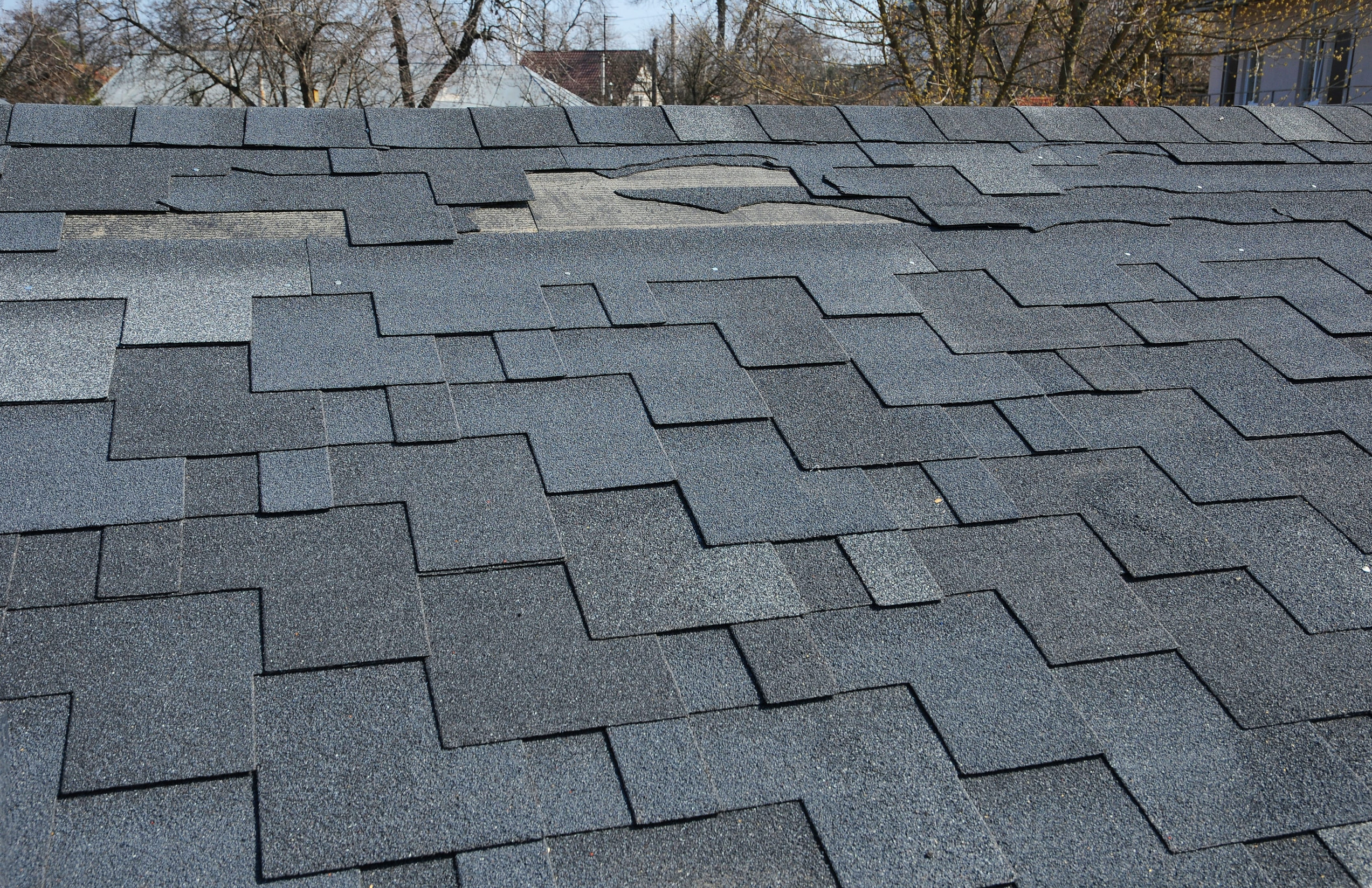
Shingles naturally age through exposure to sunlight, wind, moisture, heat, cold, and storms. Granules can gradually loosen, shingles can become brittle with age, and severe wind or hail may cause damage.
Compared with quality metal roofing, asphalt generally has a shorter potential service life. That can matter if you plan to remain in your home for several decades and want to minimize the possibility of another full roof replacement.
Still, shorter potential longevity does not automatically make asphalt a poor choice. For many homeowners, the lower upfront investment and ease of repair make it the more practical option.
Metal Roofing Minnesota Homes Can Benefit From
Metal roofing in Minnesota has become increasingly appealing to homeowners who prioritize durability and long-term performance.
Residential metal roofs can include standing-seam panels and other steel roofing systems designed for steep-slope homes.
Metal performs particularly well in northern climates when the entire roof system is properly designed. Cold-weather roofing has to account for snow, ice, temperature changes, condensation, flashing, drainage, and thermal movement—not simply the roof covering itself.
Advantages of a Steel Roof in Minnesota
One of the biggest attractions of a steel roof in Minnesota is longevity.
A quality metal roofing system generally has the potential to remain in service substantially longer than a typical asphalt roofing system when properly installed and maintained.
Other advantages may include:
- Excellent resistance to severe weather
- Strong wind performance with properly designed systems
- Resistance to cracking and deterioration associated with some other materials
- Good snow-shedding characteristics
- Long-term durability
- Distinctive appearance
- Less frequent full roof replacement over a long ownership period
For homeowners who plan to remain in a property for many years, that long-term perspective can make metal particularly attractive.
Metal Roof vs. Asphalt Shingles Minnesota: How Do They Handle Snow?
This is an important question when choosing the best roofing for Minnesota.
Both systems can handle snowy climates when properly designed and installed, but they interact with snow differently.
Asphalt Shingles Tend to Hold Snow
The textured surface of asphalt shingles tends to create friction, which can help keep snow on the roof until it gradually melts or is otherwise removed.
That doesn’t mean an asphalt roof avoids winter problems.
Ice dams can develop on many types of pitched roofs when heat loss from the home warms part of the roof surface, snow melts, and water refreezes near colder eaves.
Proper attic air sealing, insulation, ventilation, flashing, underlayment, and roof design remain important regardless of the material on top.
Metal Roofing Can Shed Snow More Easily
Metal has a smoother surface, so accumulated snow may release and slide from a sloped roof more readily.
That can be an advantage, but it also creates a design consideration.
Large amounts of snow sliding suddenly from a metal roof can create hazards near:
- Entryways
- Walkways
- Decks
- Driveways
- Landscaping
- HVAC equipment
- Gutters
Depending on the roof design and location, snow-retention systems may be appropriate to control how snow leaves the roof.
The takeaway is that snow shedding is neither automatically good nor bad. It needs to be considered as part of the complete roofing design.
Which Roofing Material Handles Minnesota Temperature Changes Better?
Minnesota roofs experience considerable temperature swings.
A roof can face intense summer sun, subzero winter temperatures, and countless freeze-thaw cycles over its lifetime.
Metal roofing is highly durable under changing temperatures, but metal naturally expands and contracts as temperatures change. A properly engineered installation accounts for that movement through fastening systems, panel design, flashing, and other components.
Asphalt shingles experience their own temperature-related aging. Over many years, weather exposure can contribute to cracking, curling, granule loss, and brittleness.
With either system, installation quality matters tremendously.
Choosing high-quality materials is only half the equation. The roofing assembly needs to be installed correctly for Minnesota conditions.
What About Ice Dams?
Homeowners sometimes assume one particular roofing material will solve an ice-dam problem.
Unfortunately, it isn’t that simple.
Ice dams are strongly connected to heat escaping from the living space into the attic and creating uneven temperatures on the roof surface. Snow melts on warmer areas, runs toward colder eaves, and refreezes.
That means switching from asphalt to metal does not replace the need to address underlying insulation or air-leakage issues.
When evaluating roof replacement options, homeowners with a history of ice dams should look at the entire roof-and-attic system rather than focusing exclusively on the surface material.
Asphalt vs. Metal Roofing Cost
For most homeowners, budget plays a major role in the decision.
Asphalt Usually Costs Less Up Front
Architectural asphalt shingles in Minnesota are generally the more budget-friendly initial roofing option.
That makes asphalt particularly attractive when:
- Keeping initial project cost lower is important.
- You may sell the home in the foreseeable future.
- You prefer a traditional residential appearance.
- You want repairs to remain relatively straightforward.
- A quality architectural shingle satisfies your performance needs.
Metal Generally Requires a Larger Initial Investment
Metal roofing typically costs more initially because of material costs, specialized components, and installation requirements.
The financial calculation changes when you consider the roof over a longer period.
Because a quality metal system may remain in service considerably longer, homeowners who expect to stay in the property for decades may view the higher initial price differently.
Rather than asking only, “Which roof is cheaper?”, consider asking:
How long do I expect to own the home, and what am I getting for the additional investment?
What Happens When the Roof Needs Repair?
Repair-ability is another practical difference.
Individual asphalt shingles can often be replaced without disturbing a large portion of the roof. That can make isolated repairs relatively straightforward when damage is limited.
Metal roofing can also be repaired, but the process depends heavily on the system. Panel type, fastener design, flashing, coatings, and the location of damage can influence what is involved.
This is one reason homeowners comparing roof replacement options should ask not only about installation but also about future service and maintenance.
Which Roof Offers More Style Options?
This category depends largely on personal preference.
Architectural asphalt shingles offer tremendous variety. Colors range from traditional charcoal and brown to blended shades designed to complement siding, stone, brick, and trim.
They also fit naturally with many Minnesota home styles.
Metal roofing creates a different look. Standing-seam metal, in particular, offers crisp lines and can work beautifully on:
- Modern homes
- Farmhouse-style homes
- Cabins
- Lake homes
- Contemporary renovations
- Homes with dramatic roof-lines
Neither is objectively better visually.
The best choice should complement the architecture of the home rather than simply following a trend.
Is Metal Roofing Noisy?
This is one of the most common questions homeowners have about metal.
People often picture rain hitting the exposed metal roof of a barn or shed.
A residential metal roofing system is different. The roof assembly includes decking, underlayment, insulation, attic space, ceilings, and other materials between the metal surface and the living space.
As a result, a properly installed residential metal roof does not usually create the dramatic indoor noise people associate with an open agricultural structure.
So, What Is the Best Roofing for Minnesota?
There is no universal winner.
Asphalt shingles may be the better fit if you:
- Want a lower initial investment.
- Prefer a traditional residential appearance.
- Want broad color and style choices.
- Value straightforward localized repairs.
- Don’t necessarily need maximum possible roofing longevity.
Metal roofing may be the better fit if you:
- Prioritize long-term durability.
- Expect to own the home for many years.
- Are comfortable with a larger upfront investment.
- Like the appearance of metal or standing-seam roofing.
- Want a roofing material particularly well suited to demanding northern weather.
The best roofing for Minnesota is ultimately the system that matches your home’s structure, roof pitch, budget, location, appearance, and long-term plans.
Look Beyond the Roofing Material
Whether you choose asphalt or metal, don’t overlook everything underneath it.
A strong roofing system also depends on components such as:
- Roof decking
- Underlayment
- Ice-and-water barriers
- Flashing
- Drip edges
- Ridge and intake ventilation
- Fasteners
- Attic insulation and air sealing
- Proper drainage
This is particularly important in Minnesota.
Cold-climate roofing must manage snow, moisture, wind, ice, and significant temperature changes. Premium roofing material cannot compensate for poor installation or an improperly designed roof assembly.
Choosing Between Your Minnesota Roof Replacement Options
The metal roof vs. asphalt shingles Minnesota decision should not come down to which material sounds more impressive.
Both can be smart investments.
Asphalt shingles provide a combination of affordability, appearance, proven performance, and repair-ability that makes them practical for many Minnesota homes.
Metal roofing offers exceptional durability and longevity for homeowners willing to make a larger initial investment.
The right choice depends on the house—and the homeowner.
Before replacing a roof, consider how long you plan to own the property, how much you want to invest initially, your home’s architectural style, previous winter roofing issues, and your long-term maintenance expectations.
Understanding those priorities makes it much easier to evaluate Minnesota roofing materials without assuming that one option is automatically best for everyone.
Contact Us
If you have questions about asphalt shingles, metal roofing, or other roof replacement options, Koska Construction provides residential roofing services throughout the Twin Cities, Brainerd Lakes region, and surrounding central Minnesota communities.
The company installs architectural asphalt shingles along with metal and steel roofing systems and can help homeowners understand how different materials may fit their property, budget, and long-term plans.
Koska Construction
3321 Saint Francis BLVD
Anoka, MN 55303
Phone: (218) 839-5737
Email: KoskaConstructionLLC@gmail.com
Website: koskaconstruction.com
Minnesota Contractor License: BC-788074