
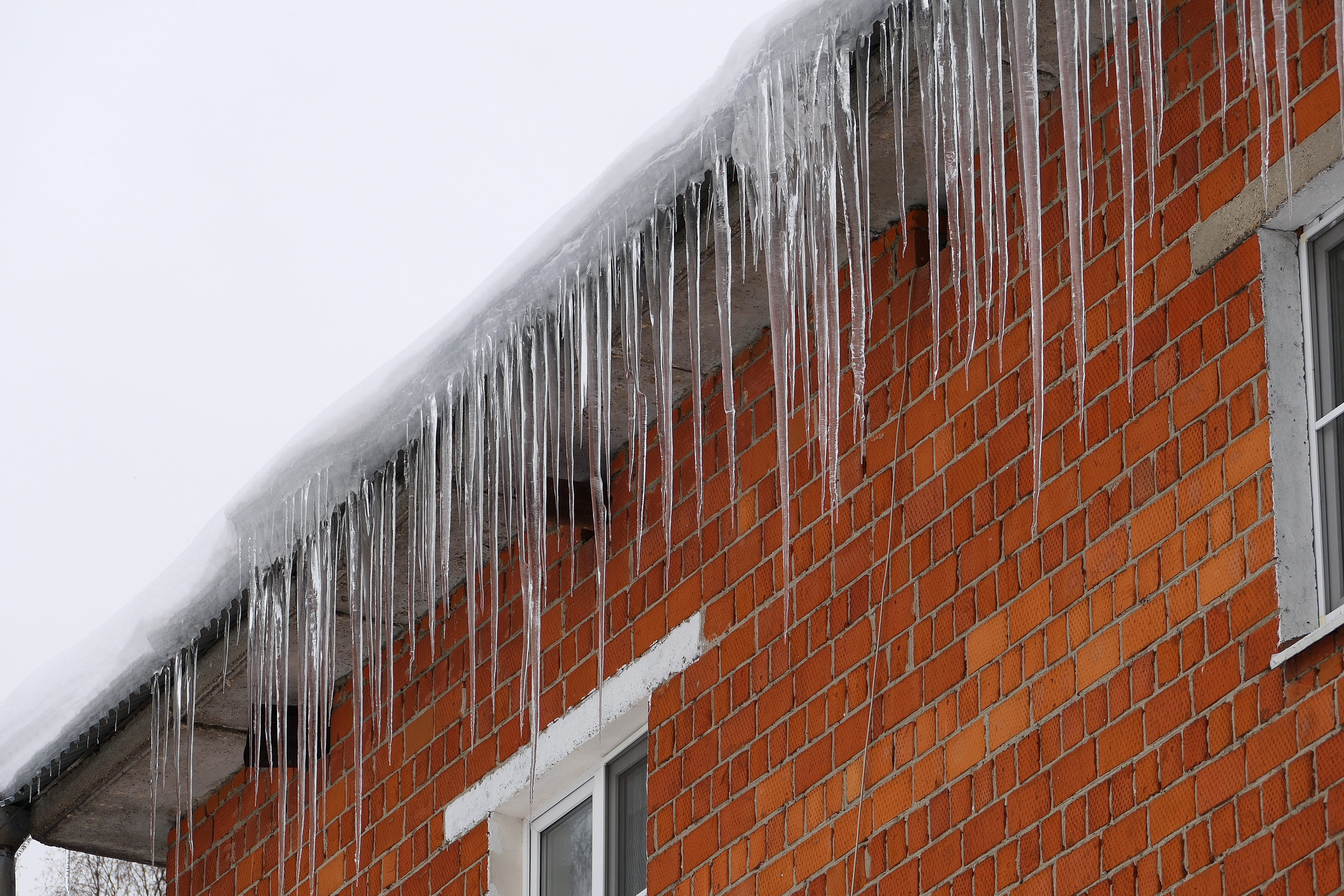
Is Your Roof Ready for a Minnesota Winter?
A Minnesota winter can ask a lot from your roof.
Over the next several months, your home may face heavy snow, ice, freezing temperatures, strong winds, and repeated cycles of melting and refreezing. A roof that seems perfectly fine on a mild fall afternoon can reveal very different problems once it is covered in snow and subjected to weeks of cold weather.
That is why fall is an ideal time for a Minnesota roof inspection.
Checking your roof before winter gives you an opportunity to find loose or damaged roofing materials, problems around flashing, drainage issues, and other vulnerabilities while weather conditions still allow them to be addressed.
You do not need to wait until water is dripping from the ceiling to start thinking about your roof. Good winter roof preparation is largely about catching the small warning signs before winter turns them into bigger problems.
Here is what Minnesota homeowners should know before the snow begins to fall.
Why a Minnesota Roof Inspection Matters Before Winter
Roofs are designed to withstand the elements, but Minnesota weather creates an especially demanding environment.
During winter, snow may accumulate on the roof for extended periods. Temperatures can move above and below freezing, allowing snow to melt during warmer periods and refreeze as temperatures drop. Wind can also expose weak or damaged areas of the roofing system.
A fall inspection helps establish whether your roof is ready for those conditions.
Think of it as preventive maintenance. A missing shingle, deteriorated seal, loose piece of flashing, or drainage problem may be relatively manageable in October. Once snow and ice cover the roof, finding and correcting that same issue can become much more complicated.
Regular roof maintenance in Minnesota can also help homeowners better understand the condition of their roofing system instead of being surprised by problems during the coldest part of the year.
1. Look for Missing, Loose, or Damaged Shingles
One of the first steps when you prepare a roof for winter is checking the condition of the shingles.
Look for visible signs such as:
- Missing shingles
- Shingles that appear lifted or loose
- Cracked or broken shingles
- Curling edges
- Areas where shingles appear noticeably worn
- Excessive granules collecting in gutters or downspouts
- Sections of the roof that look different from the surrounding area
Damaged roofing materials can leave portions of the roof more vulnerable to wind and moisture.
Fall storms and strong winter winds may make an existing problem worse, which is why damaged areas deserve attention before cold weather becomes established.
Homeowners can often spot obvious concerns from the ground using binoculars or by looking from an appropriate window. Climbing onto a roof yourself is generally unnecessary and can create a serious fall hazard.
A professional fall roof inspection in Minnesota can provide a closer evaluation when there are signs of damage or when you simply are not sure what you are seeing.
2. Pay Attention to Roof Flashing
Shingles cover a large portion of your roof, but some of the most important areas are where different roofing components meet.
Flashing helps direct water away from vulnerable locations such as:
- Chimneys
- Skylights
- Roof valleys
- Plumbing vents
- Dormers
- Roof-to-wall intersections
Loose, damaged, corroded, or improperly sealed flashing can create potential pathways for moisture.
These areas are especially important heading into winter because melting snow may find openings that ordinary rainfall did not make obvious.
During a Minnesota roof inspection, flashing should be evaluated along with the roofing material itself rather than treating the shingles as the entire roofing system.
3. Clean Gutters and Check Drainage
Your gutters and roof work together.
Leaves, pine needles, twigs, and other fall debris can accumulate quickly in Minnesota gutters. If water cannot move freely through the gutter system and away from the house, drainage problems can develop.
Before winter, check that:
- Gutters are reasonably clear of debris.
- Downspouts are not blocked.
- Gutters appear securely attached.
- Water can drain away from the home.
- There are no visibly damaged or sagging sections.
This is one of the simplest pieces of winter roof preparation, but it is easy to overlook.
A good fall inspection should consider the roof as a complete water-management system rather than focusing only on shingles.
Koska Construction provides both roofing and seamless gutter services as part of its exterior solutions for Minnesota homes.
4. Watch for Signs of Ice-Dam Risk
Ice dams are a familiar winter concern for Minnesota homeowners.
They form when snow melts on a warmer portion of a roof, flows toward a colder roof edge, and freezes. Additional melting can then collect behind the ice.
The University of Minnesota Extension explains that uneven roof temperatures, heat loss from the house, snow cover, and freezing outdoor temperatures can combine to create ice dams. Water that backs up behind an ice dam may eventually find openings in the roofing system and enter the home.
It is important to understand that an ice-dam problem is not always simply a roofing-material problem.
Air leakage and heat escaping into the attic can contribute significantly. The Minnesota Department of Commerce recommends addressing attic air leakage and insulation as part of long-term ice-dam prevention.
Signs worth investigating include:
- A history of large icicles along the eaves
- Previous winter water stains
- Uneven snow melting on the roof
- Areas where snow consistently disappears faster than elsewhere
- Evidence of moisture in the attic
Fall provides an opportunity to investigate these issues before conditions for ice dams return.
5. Check the Attic for Clues
You do not always have to look at the outside of the roof to identify a potential roofing problem.
Your attic can provide valuable clues.
On a dry day, look for unusual staining, damp materials, signs of previous water entry, or daylight appearing where it should not.
After rainfall, an attic inspection may also reveal moisture that is not yet visible inside your living space.
Pay attention to:
- Water stains on wood
- Damp or compressed insulation
- Musty odors
- Dark staining
- Visible moisture
- Signs of previous repairs
- Light coming through unexpected openings
Remember that moisture in an attic can have several possible causes, including roofing leaks, condensation, air leakage, or ventilation-related issues. Identifying moisture is the first step; determining the actual cause is equally important.
6. Look at Trees Around the Roof
Roof preparation does not stop at the edge of the roof.
Trees surrounding the home deserve attention before winter as well.
Branches that hang directly over or rest against a roof can become more concerning when covered with heavy snow or ice. Dead or damaged limbs may also be more susceptible to breaking during winter storms.
From the ground, look for:
- Dead branches above the roof
- Limbs touching the roofing material
- Damaged trees near the house
- Heavy branches extending over roof sections
- Areas where leaves and debris consistently collect
Tree work can be hazardous, particularly when large limbs are involved. A qualified tree-care professional can evaluate branches that may present a concern.
7. Do Not Ignore Small Leaks or Interior Stains
One of the most important rules of roof maintenance in Minnesota is simple: do not ignore evidence of moisture.
A small stain on the ceiling does not necessarily mean you need a new roof, but it does mean the source deserves investigation.
Check ceilings and walls for:
- New discoloration
- Expanding water stains
- Peeling paint
- Bubbling drywall
- Damp spots
- Water around chimneys or skylights
Water can travel along framing or other materials before becoming visible inside the home, so the location of a ceiling stain may not be directly below the source of the problem.
Addressing suspicious signs during fall gives homeowners more time to understand what is happening before winter weather complicates the situation.
When Should You Call a Roofing Contractor?
Not every roof needs major work before winter.
Sometimes an inspection confirms that the roofing system is in good condition. Other times it identifies a repair that can be addressed before snow arrives. An older or significantly damaged roof may require a broader conversation about replacement.
A professional evaluation may be particularly helpful if:
- You know shingles are missing or damaged.
- Your roof has experienced recent storm damage.
- You have noticed interior water stains.
- You have a history of winter roofing problems.
- You are unsure of the roof’s overall condition.
- The roof is approaching the later part of its expected service life.
- You recently purchased the home and do not know its maintenance history.
Homeowners searching for a Brainerd roofing contractor or Twin Cities roofing contractor should look for someone familiar with the weather conditions and construction needs common to Minnesota homes.
Koska Construction provides residential roofing services throughout the Brainerd Lakes region, the Twin Cities North Metro, and communities along several central Minnesota corridors. Its roofing services include inspections, repairs, complete replacements, asphalt shingles, and metal and steel roofing systems.
A Simple Fall Roof Inspection Checklist
Before winter arrives, homeowners can use this basic checklist as a starting point:
- Inspect the roof visually for missing or damaged shingles.
- Look at flashing around chimneys, vents, and other roof penetrations.
- Remove leaves and debris from gutters.
- Confirm that downspouts can drain properly.
- Look for damaged or sagging gutter sections.
- Check the attic for stains, moisture, or other unusual conditions.
- Review the home’s history of ice dams.
- Check trees for branches that could affect the roof.
- Investigate ceiling or wall stains.
- Schedule a professional inspection when concerns are present.
A little attention in the fall can provide valuable information about your roof before it disappears beneath Minnesota snow.
Prepare Your Roof for Winter Before the Snow Arrives
Your roof does not have to look dramatically damaged to deserve attention.
Many winter roofing problems begin with relatively small vulnerabilities: a damaged shingle, an aging seal, a drainage issue, or an area where moisture has begun finding its way into the structure.
A Minnesota roof inspection gives homeowners an opportunity to identify those concerns before snow, ice, wind, and freezing temperatures make them more difficult to address.
Fall is also a good time to look at the larger system surrounding your roof, including gutters, attic conditions, drainage, and nearby trees.
The goal is not to assume that every roof needs repair or replacement. It is simply to know the condition of your roof before another Minnesota winter begins.
Contact Us
If you have questions about the condition of your roof or would like a professional assessment before winter, Koska Construction provides roofing services for homeowners throughout the Twin Cities and Brainerd Lakes regions.
A roof inspection can help identify existing damage, maintenance concerns, and areas worth watching so you can make informed decisions about your home.
Koska Construction
3321 Saint Francis Blvd.
Anoka, MN 55303
Phone: (218) 839-5737
Email: KoskaConstructionLLC@gmail.com