
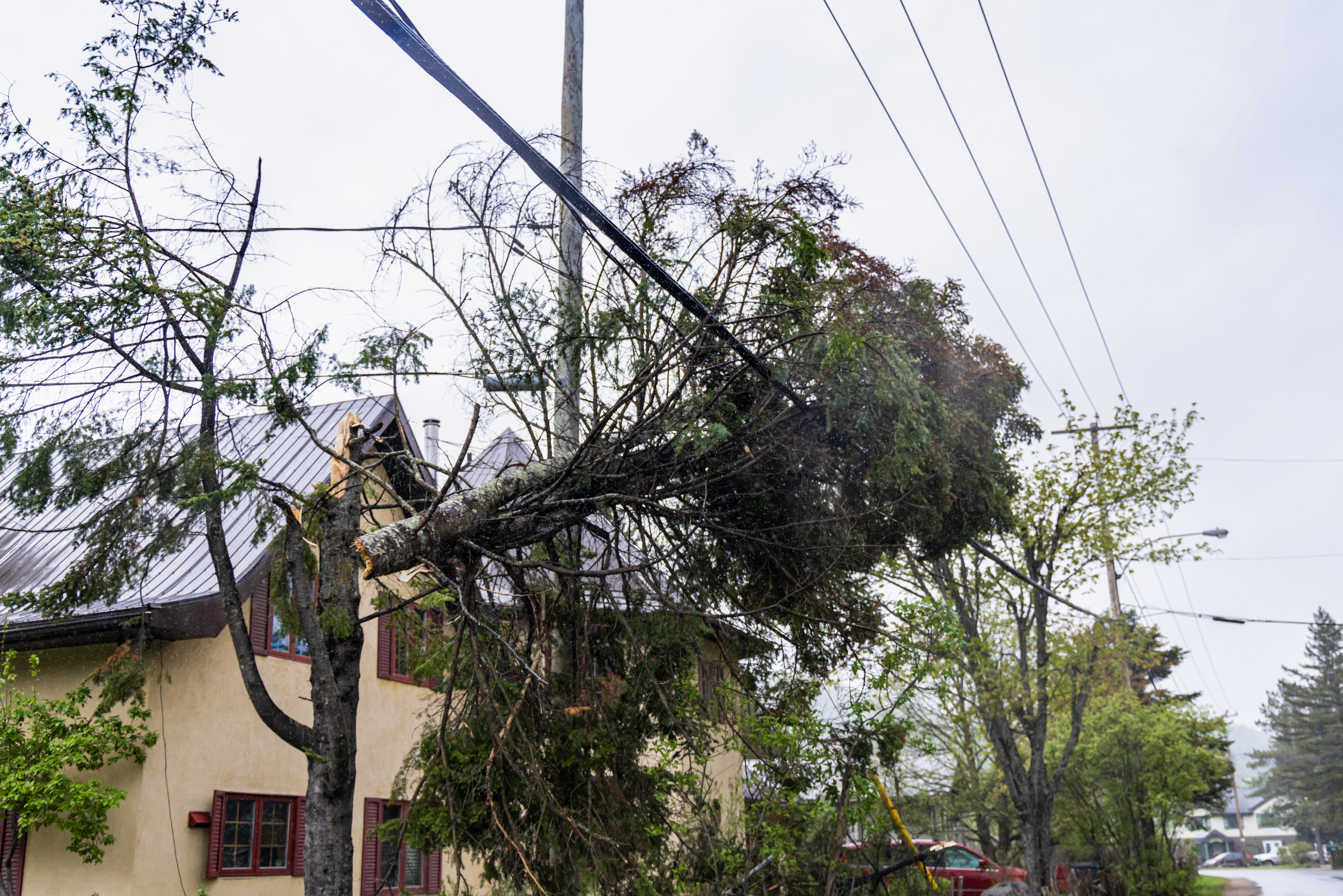
What to Do After Storm Damage to Your Minnesota Home
Strong winds, hail, falling branches, and heavy rain can damage several parts of a home during the same storm. Once the weather clears, it is natural to want immediate answers. Is the roof leaking? Is the home safe? Should you call a contractor or the insurance company first?
The steps you take early can help protect the property and create a clearer record if you decide to file an insurance claim. Use this checklist after severe weather affects your Minnesota home.
1. Put Safety First
Wait until the storm has passed and local officials say conditions are safe. Stay away from downed power lines, broken glass, unstable trees, standing water near electrical sources, and visibly damaged structures.
Do not climb onto the roof. Storm damage can loosen shingles, weaken decking, and create slick surfaces that are difficult to see from below. If you suspect structural damage or smell gas, leave the area and contact the appropriate emergency service or utility provider.
2. Look for Damage From a Safe Location
Walk around the property only when it is safe. Photograph each side of the house and take wider photos that show the overall area as well as closer images of visible damage.
Common signs include:
- Missing, lifted, cracked, or creased shingles
- Dents on gutters, downspouts, roof vents, or metal flashing
- Cracked or punctured siding
- Loose soffit or fascia
- Broken windows or damaged screens
- Fallen branches on the roof
- Water stains, dripping, or damp insulation inside the home
Hail damage is not always obvious from the ground, and normal wear can sometimes resemble storm damage. The Insurance Institute for Business & Home Safety provides a useful homeowner resource on recognizing possible hail damage.
3. Document Before Cleanup or Permanent Repairs
Take photos and video before moving debris or making permanent repairs, unless leaving the area untouched would create an immediate safety risk. Make a written list of what you see and note the date and approximate time of the storm.
Keep damaged materials when it is safe and practical to do so. Save receipts for emergency work, supplies, temporary lodging, and other storm-related expenses. Your insurance carrier will determine what is covered under your policy, but organized documentation can make the conversation easier.
The Minnesota Department of Commerce recommends documenting the damage, contacting the insurer, taking reasonable steps to prevent additional damage, and retaining receipts. Its After a Disaster insurance guide provides a concise overview for Minnesota property owners.
4. Prevent Additional Damage
Homeowners are generally expected to take reasonable action to keep existing damage from getting worse. Depending on the situation, that may include placing a temporary tarp over an opening, boarding a broken window, or moving belongings away from incoming water.
Temporary work should prioritize safety and damage prevention. It should not hide or destroy evidence that an adjuster or contractor may need to inspect. Do not attempt roof work yourself during wet, windy, or unstable conditions.
5. Review Your Policy and Contact Your Insurer
Insurance policies and deductibles vary. Review your policy and contact your insurance carrier or agent to report the loss and ask about the next steps. Record your claim number and the adjuster’s contact information, and keep copies of emails, estimates, photos, receipts, and claim documents.
Ask questions when terminology or a payment calculation is unclear. The Minnesota Department of Commerce has additional guidance on settling a property insurance claim, including what to do when you disagree with a decision or do not understand a denial.
Koska Construction can inspect and document damage and coordinate with the adjuster, but coverage decisions remain between you and your insurance company under the terms of your policy.
6. Schedule a Professional Exterior Inspection
A storm may affect more than the most obvious area. Hail that marks a gutter can also damage shingles or siding. Wind can loosen flashing, lift shingles, pull at soffit and fascia, or force water around windows and doors.
A complete inspection should consider the roof, siding, gutters, exterior trim, windows, doors, vents, and flashing. Koska Construction offers storm damage restoration and insurance claim assistance across the Twin Cities and Brainerd Lakes regions.
7. Choose a Licensed Minnesota Contractor
Major storms often bring an influx of door-to-door contractors. Before signing anything, confirm the company is properly licensed, has a verifiable local presence, provides a written scope of work, and explains the payment schedule and materials.
The Minnesota Department of Labor and Industry recommends checking a contractor’s license and avoiding high-pressure sales tactics, unusually low pricing, demands for substantial upfront payment, and offers to pay an insurance deductible. Review the state’s tips for hiring a contractor and use its license lookup to verify credentials.
Koska Construction is a licensed Minnesota general contractor, License # BC-788074.
8. Review the Scope Before Work Begins
Before authorizing restoration work, review the written scope carefully. It should identify the damaged areas, planned repairs, materials, estimated price or pricing method, and payment terms. Ask how hidden damage or changes will be handled if they are discovered after damaged materials are removed.
Good communication at the start helps the homeowner, contractor, and insurance adjuster work from the same information.
Get Help After a Minnesota Storm
If your home was hit by hail, wind, or falling debris, contact Koska Construction for a professional exterior inspection. We will document what we find, explain the repair options, and help you move through the restoration process with clear information.